Saint Charles Top Rated RV Body Shop Guide: Professional Repairs
Essential RV Maintenance Recommendations: Maintain Your House on Wheels Rolling Smoothly!
Maintaining an RV requires attention to detail and a forward-thinking approach. Routine inspections can prevent little issues from developing into major problems. By understanding common issues and their remedies, RV owners can guarantee smooth trips. Crucial tools and maintenance tasks serve a critical function as well. But how does one know when to handle repairs on their own or when to seek professional assistance? Exploring these elements can elevate the RV experience considerably.
Diagnosing Typical RV Problems
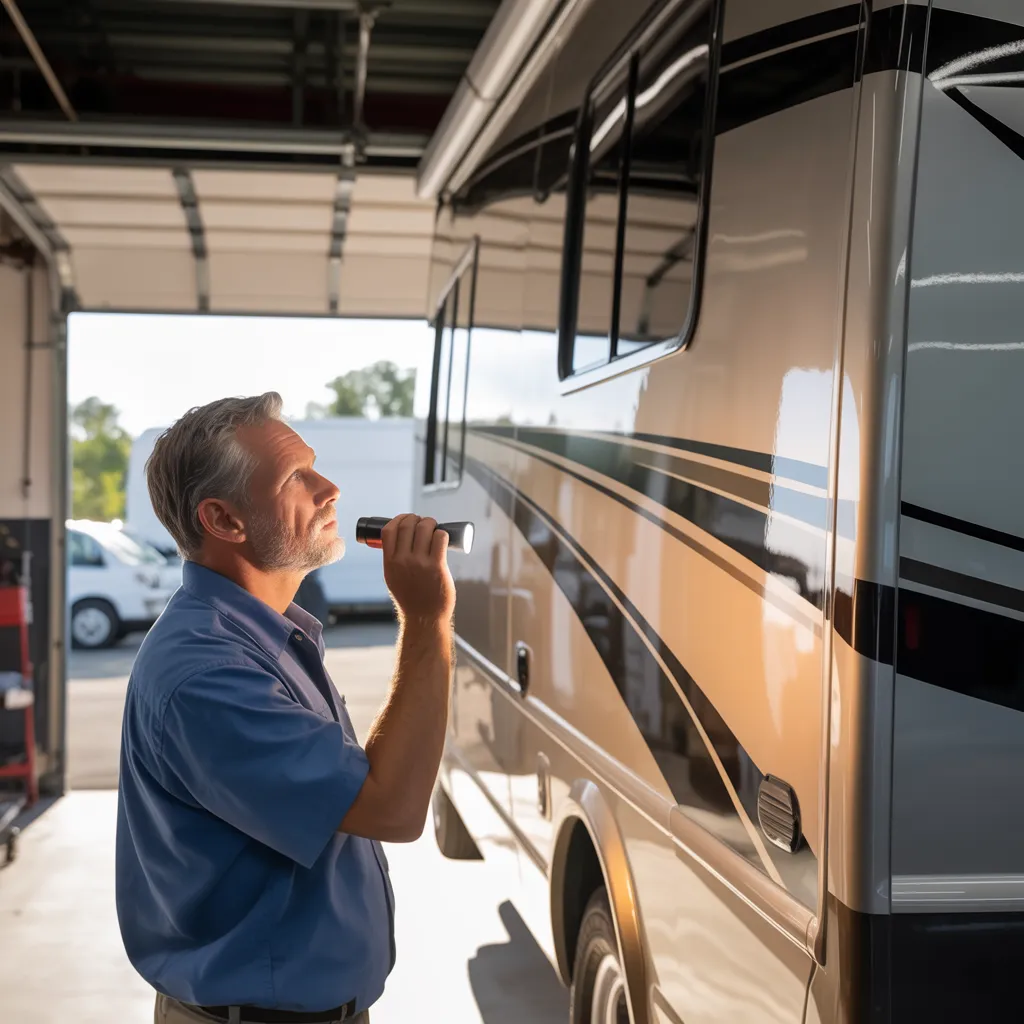
In what ways can RV owners effectively recognize common issues before they escalate? Regular inspections serve an essential role in maintaining an RV's functionality and longevity. Owners should begin by examining the roof for cracks or signs of wear, as leaks can cause significant damage. Inspecting the seals around windows and doors is equally important, making sure they remain intact to block moisture intrusion.
Additionally, tracking tire pressure and tread wear can help stop blowouts during travel. Drivers should also inspect the brakes, searching for any unusual noises or diminished responsiveness, which could indicate wear or malfunction.
Routine fluid examinations, including engine oil and transmission fluid, are vital for smooth operation. Finally, watching the complete exterior condition, such as the paint and body integrity, can help identify potential rust or structural issues. By being proactive, RV owners can address minor problems before they develop into costly repairs.
Addressing Electric Issues?
What measures should RV owners implement to diagnose electrical problems efficiently? To start, they should inspect the power supply, ensuring that the RV is properly connected or that the battery is sufficiently charged. Following this, inspecting circuit breakers and fuses is necessary, as a faulty fuse or tripped breaker can interrupt power flow. RV owners should also evaluate visible wiring for signs of wear, corrosion, or loose connections, which may suggest underlying issues.
In addition, testing electrical elements, such as lights and appliances, can help pinpoint specific failures. If a specific device isn't functioning, removing it from its circuit can identify whether the problem lies with the device or the wiring. Finally, consulting the owner's manual can provide valuable guidance into the electrical system's layout and specifications. By systematically examining these areas, RV owners can effectively pinpoint and address electrical issues, ensuring their mobile home remains fully functioning.
Rapid Plumbing System Solutions for Your RV
During the freedom of the open road, RV travelers may encounter plumbing issues that demand quick fixes to preserve comfort and functionality. Common problems include leaks, clogged drains, and malfunctioning toilets. For minor leaks, tightening fittings or utilizing plumber's tape can give immediate relief. In cases of clogs, a simple combination of baking soda and vinegar may help remove the blockage, followed by hot water to flush the system.
Should the toilet fail to flush, verifying the water supply valve and confirming it is fully open can often solve the issue. Additionally, storing a portable water pump handy can help with emergency situations where water pressure falls unexpectedly. Periodically reviewing hoses and seals for wear can prevent future issues. By tackling these plumbing problems promptly, RV owners can experience their travels without interruption, maintaining their home on wheels remains pleasant and functional.
Important Tools for DIY RV Repairs
Preparing an RV for repairs demands a well-stocked toolkit, especially after addressing plumbing issues. Essential tools include a comprehensive set of wrenches and sockets, which are vital for unfastening and tightening various fittings. Screwdrivers, both flathead and Phillips, are needed for securing panels and fixtures. A durable utility knife is invaluable for cutting through materials, while pliers can help with gripping and bending components.
Moreover, a multimeter is important for diagnosing electrical issues, ensuring that any difficulties with the RV's system can be successfully addressed. A portable air compressor can aid in tire maintenance and other inflation tasks. Finally, having a quality flashlight or headlamp will illuminate dark spaces during repairs. By sustaining this essential toolkit, RV owners will be equipped to tackle a array of DIY repairs, keeping their home on wheels in optimal condition.
Regular Upkeep Tasks for Your RV
Routine upkeep is crucial for the long-term performance and safety of an RV. Regularly inspecting tires and checking fluid levels are two essential tasks that shouldn't be disregarded. These forward-thinking practices help deliver a smooth and trouble-free journey on the road.
Assess Tyres Consistently
Routinely checking tires is essential for preserving the safety and performance of an RV. Tire deterioration can result in blowouts and diminished fuel efficiency, making checks essential. RV owners should inspect tire pressure at least one time per month, ensuring it corresponds to the manufacturer's specifications. Furthermore, examining tread depth helps evaluate the tires' traction capabilities; a deficiency in sufficient tread can threaten safety on slippery roads. It's also important to check for any signs of damage, such as cracks or bulges, which can indicate potential failure. Cycling tires every 5,000 to 7,000 miles can encourage even wear. By focusing on tire inspections, RV owners can enhance their travel experience and avoid costly roadside emergencies.
Check Liquid Level
Maintaining optimal fluid levels is essential for the overall performance read guide and longevity of an RV. Consistently examining and topping off engine oil, coolant, transmission fluid, brake fluid, and power steering fluid is essential. Inadequate fluid levels can lead to overheating, decreased efficiency, and even mechanical failure. It is wise to check these fluids during routine maintenance or before beginning a trip. Each type of fluid performs a specific function; for instance, engine oil lubricates moving parts, while coolant regulates temperature. Furthermore, RV owners should be aware of any leaks, as they can signal underlying issues. By prioritizing fluid checks, RV enthusiasts can guarantee their vehicles remain trustworthy and ready for any adventure on the road.
When to Get Help: Knowing When to Call a Pro
Recognizing when to seek specialized support for RV repairs is critical for both safety and operational efficiency. Unusual noises or smells can signal underlying problems that may worsen if not addressed promptly. Additionally, electrical system failures often need specialized knowledge and tools, making it advisable to contact a professional.
Abnormal Sounds or Smells
How does one identify when unusual noises or smells from an RV signal a need for professional assistance? When an RV makes strange sounds, such as grinding, hissing, or popping, it often signals potential mechanical concerns. These noises may indicate failing components, such as the engine or transmission, needing immediate attention. Likewise, unusual smells—like burning, gas, or chemical odors—should not be overlooked. Burning smells could signify overheating parts or electrical concerns, while gas odors may point to leaks that pose safety risks. In both cases, timely intervention is vital. If the source of the noise or smell is unclear or alarming, contacting a professional mechanic can offer peace of mind and prevent further damage to the vehicle.
Electrical System Issues
Electrical issues in an RV can show up as blinking lights, non-functional appliances, or ongoing battery problems. Spotting these warning signs is essential for the safety and performance of the vehicle. When elementary problem-solving is unsuccessful—such as verifying fuses, connections, or the status of the battery—it may be time to request professional help. If the RV's electrical issues are coupled with uncommon scents or heat from outlets, urgent assistance is encouraged, as these could indicate serious hazards like short circuits or fire risks. Furthermore, if the problem endures despite efforts to resolve it, hiring a qualified technician confirms that potential complications are dealt with effectively and safely, helping to copyright the RV's reliability on the road.
Common Questions
What's the Recommended Frequency for Inspecting My Rv's Tires?
Checking an RV's tires should happen monthly, emphasizing tread depth, air pressure, and general condition. Additionally, a comprehensive check is advisable before long trips or after extended periods of non-use. Regular maintenance guarantees safety.
What Should I Do When I Discover My RV Is Leaking Water?
In the event of an RV water leak, the owner should initially identifying where the leak is coming from. Following this, they should restore any faulty seals, secure loose connections, and contemplate hiring a professional if the problem continues.
Is It Feasible to Use Everyday Household Tools for RV Repairs?
Yes, regular household tools can be used for RV repairs. However, specific specialized work may demand specific tools designed for RV systems, guaranteeing appropriate performance and safety when conducting repair and maintenance work. Adapting tools is often necessary.
How Can I Winterize My RV for Storage?
To prepare an RV for winter storage, it's important to empty all water systems completely, add antifreeze to plumbing lines, clean and empty the refrigerator, cover the outside of the RV, and verify the battery is charged and stored appropriately.
How Long Can You Expect an RV Battery to Last?
An RV battery's average lifespan generally ranges from 3 to 5 years, contingent upon maintenance, usage, and battery type. Regular checks and proper care can substantially increase battery longevity beyond its expected duration.